

2025-2026 Marketing Strategy
The W&M Entrepreneurship Hub exists to catalyze people from across campus and the region who want to develop and apply entrepreneurial thinking. This strategy outlines how to build awareness, foster meaningful engagement, and encourage people to take action on ideas that matter.

Target Market
Who is your most typical PARTICIPANT?
Why it matters: If you’re not sure who you’re talking to, your message will miss the mark.
The Hub serves a wide range of participants — from undergraduates and graduate students to faculty, staff, alumni, and regional entrepreneurs. Participants come from every discipline and class year. What they share is a mindset: they’re curious problem-solvers who value hands-on learning and want to make a meaningful impact. They want clear next steps that makes getting involved feel easy rather than intimidating.
Your typical participant:
Focuses on action and gets energized by progress
Desires to be known for doing something valuable
Craves autonomy and self-direction, but appreciates knowing that support is available
Responds best to transparency and proof of impact
Thrives in peer-driven environments where collaboration is encouraged
Engages when there’s a sense of urgency (time frames, limited spots)
Embraces workshops that gives them a real skill (pitching, marketing) more than vague networking invites
The Hub is for poets and programmers, historians and hackers, dreamers and doers alike.
Many participants begin by exploring resources or attending events where they gain exposure to the eight pillars of entrepreneurial thinking. Highlighting these accessible educational options emphasizes that the Hub welcomes curious learners as well as those with ventures.

Slam Dunk Message
What will grab the attention of your target market?
Why it matters: First impressions are a real thing. A strong hook gets people to stop scrolling and show up.
Here’s the slam dunk message:
“Curious about solving a problem or bringing an idea to life? The Hub equips you with the mindset, mentors, and space to turn curiosity into action — whether that means a venture, a research project, or a community initiative.”
Why this works:
It’s easier to remember than a mission statement
It speaks to the Hub’s audience: people with ideas and energy
It addresses a real pain point
It clearly presents a solution
It promises progress and momentum
It ties to an outcome
This message can be adapted into posters, subject lines, Instagram bios, event names, or hallway conversations. Here’s how:
Instagram bio: “Ideas welcome. Learn the entrepreneurial toolkit and turn curiosity into impact.”
Poster headline: “Spark an idea? We’ll help you make it real.”
Email subject line: “This is how you move your idea forward…”
Event name: “Build It Night: Bringing ideas to life — no business plan required.”
Event name: “Workshop & Wings: The first steps in launching your idea”

Brand Personality
What should be the tone of your message?
Why it matters: The right tone helps you feel relatable and trustworthy.
The Hub should feel like a favorite mentor: approachable and just edgy enough to keep things interesting. You’re a mix of casual, creative, and confident, blending real talk with encouragement.
Be wary of too much academic or corporate tones in marketing. Instead, speak like the bold, helpful friend who says, “You’ve got this — now let’s go.” Short sentences and clear calls to action go a long way. The Hub is part of a liberal arts university, so everyone is welcomed — artists, scientists, and humanists alongside coders and founders.
Tone words to guide your brand voice:
Friendly, not fluffy
Bold, not bossy
Practical, not preachy
Uplifting, not overwhelming
Tips to consider:
Use contractions and active voice (“We’ll help you build it”)
Continue using questions to invite curiosity, like “What problem will you tackle?”
Use tagline-ready phrases:
– “Ideas to Impact”
– “Explore. Experiment. Act.”
– “Your spark. Our tools. Real change.”
Communicate like a favorite podcast host or community mentor and collaborator — not a startup cliché
Use candid photography over stiff headshots (show action, faces, and work-in-progress)
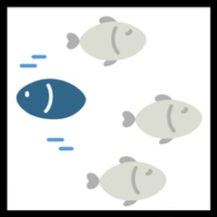
Clutter Buster
What makes you different from competitors?
Why it matters: To stand out, you have to show why you’re one-of-a-kind.
The W&M Entrepreneurship Hub isn’t just another startup space or campus office. You make entrepreneurship personal.
The Hub welcomes anyone — students, faculty, staff, and community members — regardless of major or stage of idea. Participants don’t need a polished business plan; they bring curiosity, and you provide the space, mentors, and tools to experiment and create value. It’s a unique place for solving complex problems.
This inclusive access, alongside tailored resources and support, and within a respected liberal arts university, makes the Hub a powerful catalyst for entrepreneurial thinking and action.
Considerations that communicate differentiation:
Use simple analogies that stick: “The Hub is a gym for all ideas, not a gated club for business majors”
The Hub welcomes people still figuring it out
We offer you space AND mentors
We’re open to sticky note sketches, nonprofit dreams, and moonshot ideas — bring your best ones

Going Fishing
Where does your audience hang out?
Why it matters: You want to show up where your people already are.
To catch attention, meet them in their natural habitat:
Instagram and LinkedIn – For students and professional audiences alike
In-person events and classrooms – flyers, pitch events, and peer referrals drive awareness
Communicate through academic departments and faculty meetings to reach non-business majors and faculty/staff who can integrate entrepreneurial thinking into courses
Pitch professors on offering extra credit — ask if they’ll provide students credit for attending a workshop, speaker event, or Hub open house; emphasize that events teach versatile entrepreneurial skills, not just venture pitches
Partnerships with student groups outside the entrepreneurship community (arts, sciences, humanities)
Outreach to alumni networks and the regional entrepreneurial ecosystem
Utilize campus emails and social platforms – especially those tied to student orgs and entrepreneurship courses
Partner with local cafes, libraries, and coworking spaces – Williamsburg hot spots where locals and students cross paths
Prioritize the W&M website and digital signage – make sure event info is easy to find without multiple clicks; digital signage across campus
Work with RAs, orientation leaders, and club presidents; they often have their own communication lists and influence streams
Add Hub flyers to to-go bags such as The Bake Shop, Student Center, etc..
Consistency matters more than quantity. Show up regularly where attention is already flowing.

Foot-In-The-Door
How do connect and gather contact info?
Why it matters: If you want a long-term relationship, get their info early.
The best offers feel like a win for both sides. Use these:
Free food or merch in exchange for a quick sign-up
QR codes at events that link to simple sign-up forms; ensure QR codes and pop-ups respect accessibility guidelines and can be bypassed easily
Pre-event raffles or giveaways tied to RSVPs
Digital “starter kits” for first-time visitors
Pop-up prompts on the Hub website for newsletter sign-ups
Offer a signup freebie, such as “Your Guide to Creative Problem Solving” or “25 Ways to Use the Entrepreneurial Toolkit at W&M”
Be clear: “Pick up a free Hub sticker and stay in the loop about programs and opportunities”
Offer a free micro-course preview or “Introduction to the Eight Pillars of Entrepreneurial Thinking” as a signup incentive, signaling the educational value the Hub provides
Make your forms short and mobile-friendly. Consider optional fields to capture interests (e.g., “social impact,” “innovation & design,” “venture creation,” etc.) to tailor follow-up

CORE OFFERINGS
What are your flagship services?
Why it matters: Double down on what works best.
The Hub offers two primary value drivers:
• Launchpad Space — a community incubator space for alumni, faculty, and local entrepreneurs. It supports collaboration and momentum while helping offset operational costs.
• Venture & Mentorship Programs — these deepen relationships, teach entrepreneurial thinking, and launch real-world projects.
Elevate educational offerings by spotlighting the Hub’s micro-courses and mentoring network, which teach the eight pillars of entrepreneurial thinking and are applicable across nonprofits, corporations, and startups. These offerings are accessible to participants whether they’re curious, solving a problem, or advancing a venture.
Highlight success stories across disciplines – e.g., research spin-outs, social initiatives and artistic projects – to reflect the wide scope of entrepreneurial thinking. Share outcomes like “How Maya used the entrepreneurial toolkit to reimagine mental health education on campus.”
Community memberships foster peer support and access to resources. It can also include perks like mailbox use, mentor credits, or printing access.

Trust The Pros
How can you show your expertise?
Why it matters: People engage when they believe you know your stuff.
The Hub can build trust by:
Showcasing mentor bios and backgrounds in intentional ways
Ensuring mentor and success stories represent students from different majors and backgrounds (arts, sciences, social sciences)
Highlighting stories where entrepreneurial thinking led to social impact or research breakthroughs, not just startups
Using a networking map to show connections to faculty, research centers, and community organizations
Emphasizing that the Hub’s expertise lies in equipping people with the entrepreneurial mindset, not in prescribing particular venture paths
Featuring faculty and student experts who teach or have completed the Hub’s micro-courses on the eight pillars of entrepreneurial thinking; these stories reinforce that entrepreneurship is a mindset applicable across domains
Recording short “Ask a Mentor” video clips for social media
Featuring faculty and alumni partners as thought leaders
Creating blog, podcast, or email features like “Idea of the Month”
Publish “How We Helped” stories, moving beyond testimonials to show specific examples of what the Hub did for entrepreneurs
Build a Visual Wall of Trust, physically or digitally, showing photos of mentors and founders who’ve worked with the Hub
Make the Hub feel like a trusted lab, a special place for supportive growth.

Triggers
What will make someone Talk, post a photo, or Share a video about you?
Why it matters: Word of mouth travels fastest through smartphones.
Virality doesn’t happen by accident. It happens when your space and events are designed with visibility in mind. The goal is to be shared. That means creating moments worth capturing and sharing.
Here’s what makes people post:
Eye-catching murals or neon signs inside/outside the Hub
Photo booths or unique props at events
Visual elements that communicate creativity and impact, such as student-created murals illustrating entrepreneurial journeys or wall installations highlighting alumni stories
Interactive workshops with visible outcomes (prototype boards, brainstorming walls) that participants will naturally share
Recognition moments to celebrate milestones in ventures, research, social impact projects or personal growth
Create mascots or symbols rooted in the Hub’s identity
Ensure all proposed triggers align with the Hub’s ethical standards and respect university guidelines; the Hub Ethics page emphasizes integrity and accountability for patrons.

encouraging action
How do you invite engagement?
Why it matters: Interest is great but action is better.
A community-based, mission-driven environment like the Hub isn’t about hard sells, but about creating clear invitations that makes the next step feel exciting and doable.
To encourage action:
Make your offer simple and low-risk: “Drop by for free lunch and meet peers working on exciting ideas”
Emphasize the value of joining: “Be part of a community of entrepreneurial thinkers”
Use peer influence: “Join 100+ W&M students building something big”
Follow up fast: Email attendees after each event with next steps
Messaging can center around “Start building your idea — even if it’s not perfect.” Most importantly: end EVERY message (email, social post, poster, event) with a clear call to action (CTA). “Sign up here.” “Get started today.” “Meet a mentor.”
Maintain first-person CTAs to make messages relatable:
“I’m ready to explore my idea”
“I want to connect with mentors”
Use post-event follow-ups, including a thank-you email and provide resources and next steps for continued learning and engagement.
Strategically, use buttons instead of hyperlinks whenever possible. Deadline-driven copy also works well: “Apply by Friday,” or “Join this week.”
A couple other thoughts:
Start CTAs with action verbs (instead of “Free Tickets,” say “Claim your free tickets”)
Avoid “Learn More” or “Read More” as CTAs — it sounds like work; use low-effort words like “Show Me More”
A good CTA opens a transformation.

Your participant’s Journey
What should you say at each stage?
Why it matters: Speak the right message at the right moment.
Every great brand experience follows a path, and the Hub is no different. When someone walks in, your job is to meet them where they are. When the journey is clear, more people take the next step.
1. Curious but unsure: “Got an idea or a challenge you care about? We’ll help you explore it – no experience required.”
2. Considering attending: “Meet people from every major who are tackling problems and creating change.”
3. First-timer: “Welcome! Here’s how to start applying entrepreneurial thinking and connect with mentors.”
4. Returning participant: “Deepen your skills. Work on a project, join a program, or collaborate with peers.”
5. Engaged contributor: “Bring others or launch an initiative of your own.”
6. Alumni/community leader: “Stay connected by mentoring, sponsoring programming, or supporting the Hub’s mission.”
When every touchpoint at the Hub matches where someone is in their journey, you remove friction and replace it with confidence. And when people feel like they belong, they stay AND invite others to come along, too.
That’s how momentum builds, one thoughtful message at a time.

Custom Marketing Recommendations
Why it matters: Strategy is only as good as the next step.
In addition to the ideas shared under each of the previous sections, here are a few more overarching ideas.
Consider building a standalone Hub website separate from the W&M domain. It could make the Hub feel more like a brand rather than a subsection of a university website, reflecting the energy of the Hub itself; this is an additional marketing asset, and not intended to dilute the Hub’s connection to the university and the philanthropic funding model that supports it
Create a semester-long event calendar and release it in advance. Promote each event at least one month out with reminder follow-ups (2 weeks out, 1 week out, 1 day before)
Focus your email newsletter to spotlight people, not just programs
Launch a “Hub Insider” social series: weekly student/mentor videos, founder tips, or event sneak peeks
Improve signage and visual identity in the Hub space to feel more “photo-worthy”
Segment your email list by audience (student, faculty, community) for better targeting
Recruit 3-5 student brand ambassadors to help with peer-to-peer awareness
Develop a student referral program where attendees can bring a friend for entry perks or food incentives; however, this must be executed thoughtfully to avoid transactional overtones
Create a “Start Here” landing page for new visitors with links to programs, space rentals, and mentor matching
Consider using a biweekly text alert for events to reach students who don’t check (or either ignore) email; avoid overusing, as excessive messaging may feel intrusive
Collaborate with faculty to embed event attendance into course credit or extra credit opportunities
Host crossover events with other campus orgs to attract a more diverse group of students
Offer branded Hub swag (stickers, buttons, shirts) as giveaways at events to spark visibility across campus
The W&M Entrepreneurship Hub is more than a place. It’s a mindset. With a clear message and consistent follow-through, the Hub will become the most talked-about space on campus and a trusted resource in the local entrepreneurial community.
Let’s build the buzz and welcome in the next generation of builders, thinkers, and change-makers.
Genie Jar Digital
August 2025
©2025 Genie Jar Marketing. All rights reserved